





Who will treat you here
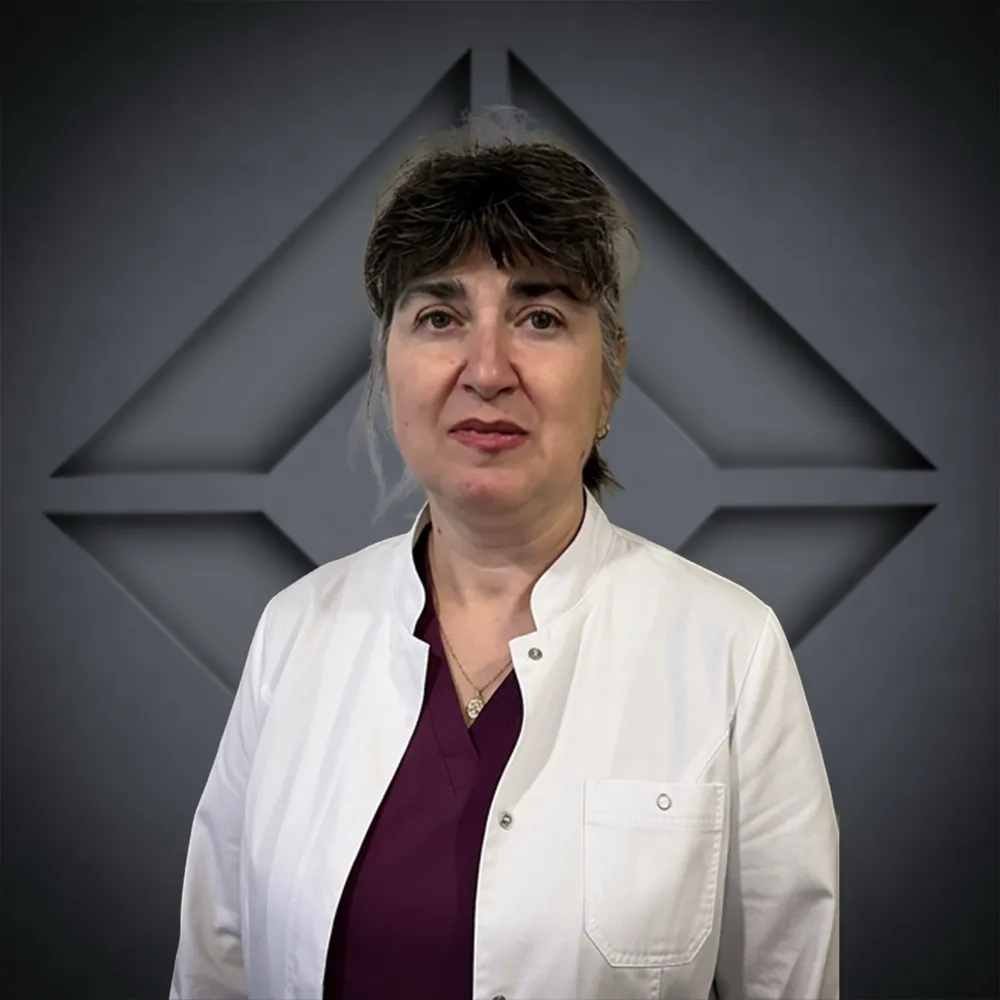
Krassimira Debeij
With a referral from your GP or company doctor, most dermatological treatments are covered as insured care.
 Everything about dermatology
From GLP-1 therapy and the gastric balloon to stomach reduction, plus nutrition coaching.
 Everything about weight loss
Lipoedema surgery: symptoms and stages, self-test and diagnosis.
 Everything about lipoedema
Plastic surgery
 Reconstructive plastic surgery as insured care
 Aesthetic surgery as self-pay treatment
Dermatology
Dermatology as medical treatmentWeight loss, lipoedema, hair
Weight lossTreating lipoedemaClinic
Basal cell carcinoma is the most common form of skin cancer. The malignant changes arise in the basal cells of the epidermis. Other names are basocellular carcinoma or basalioma. Each year, basal cell carcinoma is diagnosed in more than 20,000 people in the Netherlands, and that number has been increasing further in recent years. Basal cell carcinomas can be treated well, but for reasons explained below, people often remain under the follow-up of a dermatologist for several years and sometimes for life.
Exposure to sunlight appears to play an important role in the development of skin cancer. The cells of the epidermis are equipped with a special repair system to repair damage to genetic material in the cell nucleus (DNA) caused by sunlight (ultraviolet light, UV). Throughout life, damaged DNA needs to be repaired every day, with more damage to be repaired after extensive sunbathing than after limited sun exposure. Now and then, DNA damage at an important point in the genetic material is not repaired, or not repaired sufficiently. A cancer cell develops that begins to grow uncontrollably, after which skin cancer develops over time. It is clear that, for the development of basal cell carcinomas, sunburn on holiday (=intermittent exposure) probably plays a more important role than, for example, continuous sun exposure without burning (=cumulative exposure). Moreover, sun damage particularly in childhood appears to have more consequences than later in life.
Incidentally, there are factors other than exposure to UV light that play a role in the development of basal cell carcinomas. We know this because basal cell carcinomas sometimes develop in places that have had little or no exposure to the sun, or develop in a scar after X-ray radiation. Hereditary factors also play a role, including skin type.
There are various forms of basal cell carcinoma. What they have in common is that a slowly growing pink, skin-coloured or light brown lump develops on the skin and gradually becomes larger. A dark crust often forms in the middle, which bleeds even when touched lightly. There is usually no itching or pain. The tissue of the lump is somewhat glassy and shiny and sometimes shows small blood vessels. As it grows further, non-healing sores can develop.
Basal cell carcinomas develop on sun-damaged skin, especially on the face, on and around the nose, the temples and the ears. A special form is the ‘superficial (trunk) basal cell carcinoma’ which, as the name suggests, occurs mainly on the skin of the chest and back. This form closely resembles a patch of eczema, but without the intense itching typical of eczema and without the patch responding to eczema ointment.
Although the symptoms of a basal cell carcinoma are very characteristic, a small piece of tissue (a biopsy) will often still be taken under local anaesthesia for microscopic examination. If the growth is still very small, it may be decided to remove it surgically and definitively straight away. The tissue is then sent off to confirm the diagnosis afterwards and to see whether it has been removed completely.
In most cases, a basal cell carcinoma will be removed surgically under local anaesthesia (excision), taking into account the best cosmetic result. If it is not possible to close the wound edges directly, a flap repair will be used: a technique in which skin from elsewhere is shifted so that the wound can still be closed neatly.
Other techniques that are used occasionally are:
It is not possible to list the exact indications for the above and other techniques, but your dermatologist can explain to you why he or she recommends a particular method in your case.
Two principles serve as a guideline here:
In the case of a recurrence, meaning that the tumour comes back in the same place, treatment is also preferably surgical. Sometimes a recurrence operation needs to take place in a specialised centre (Mohs surgery).
With this technique, the operating doctor removes the tumour in thin layers. Layer by layer, checking under the microscope each time. This process is repeated until the tumour site is completely free of tumour cells. Mohs surgery is also used for tumours in difficult locations (nose, ear, mouth and near the eye). Mohs surgery is not performed at Medisch Centrum Waalre, but the dermatologist can refer you to a Mohs clinic.
It is very important to know that basal cell carcinomas do not spread and that nobody dies of this form of skin cancer. It is, however, important to treat basal cell carcinomas, because these tumours do not heal on their own and slowly grow larger.
In about 4 to 10% of cases, the tumour comes back in the same place on the skin after the first treatment. It is also important to remain alert to new basal cell carcinomas, because in about 25% of people a new basal cell carcinoma develops elsewhere on the skin.
At your follow-up visits to your dermatologist, attention is paid not only to a recurrence but also to any new skin tumours.
The consultation and the treatment are insured care and are therefore reimbursed by your health insurer. Your compulsory excess may, however, apply. You need a referral from your GP or company doctor.
Your consultation in 3 steps:
With a referral from your GP, Dutch basic insurance covers many treatments. What is reimbursed?

or call
040 22 22 370Medisch Centrum Waalre, Van Dijklaan 9 in Waalre, just south of Eindhoven. Easy to reach from Eindhoven, Veldhoven, Valkenswaard, Geldrop and Heeze.
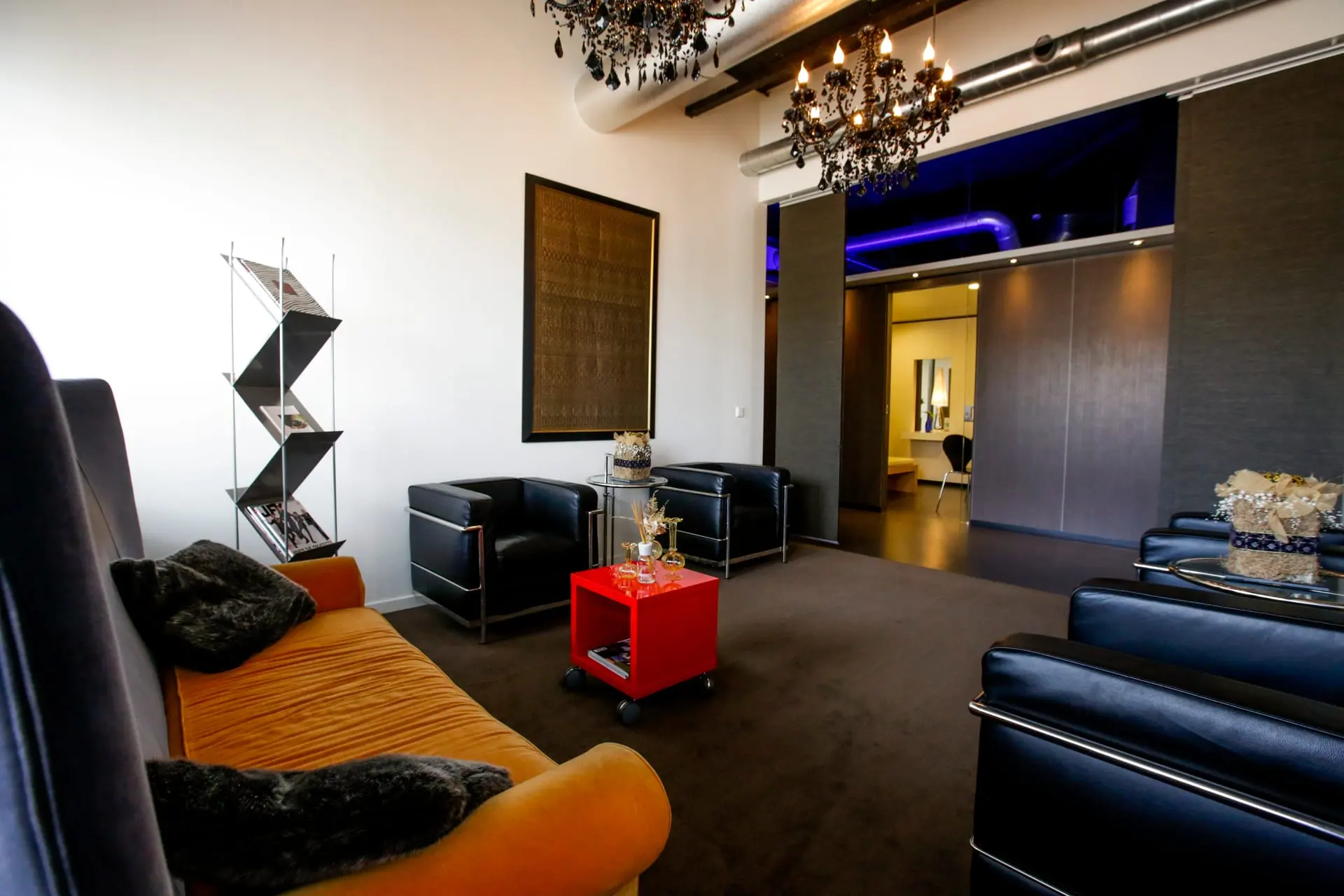 01Lounge
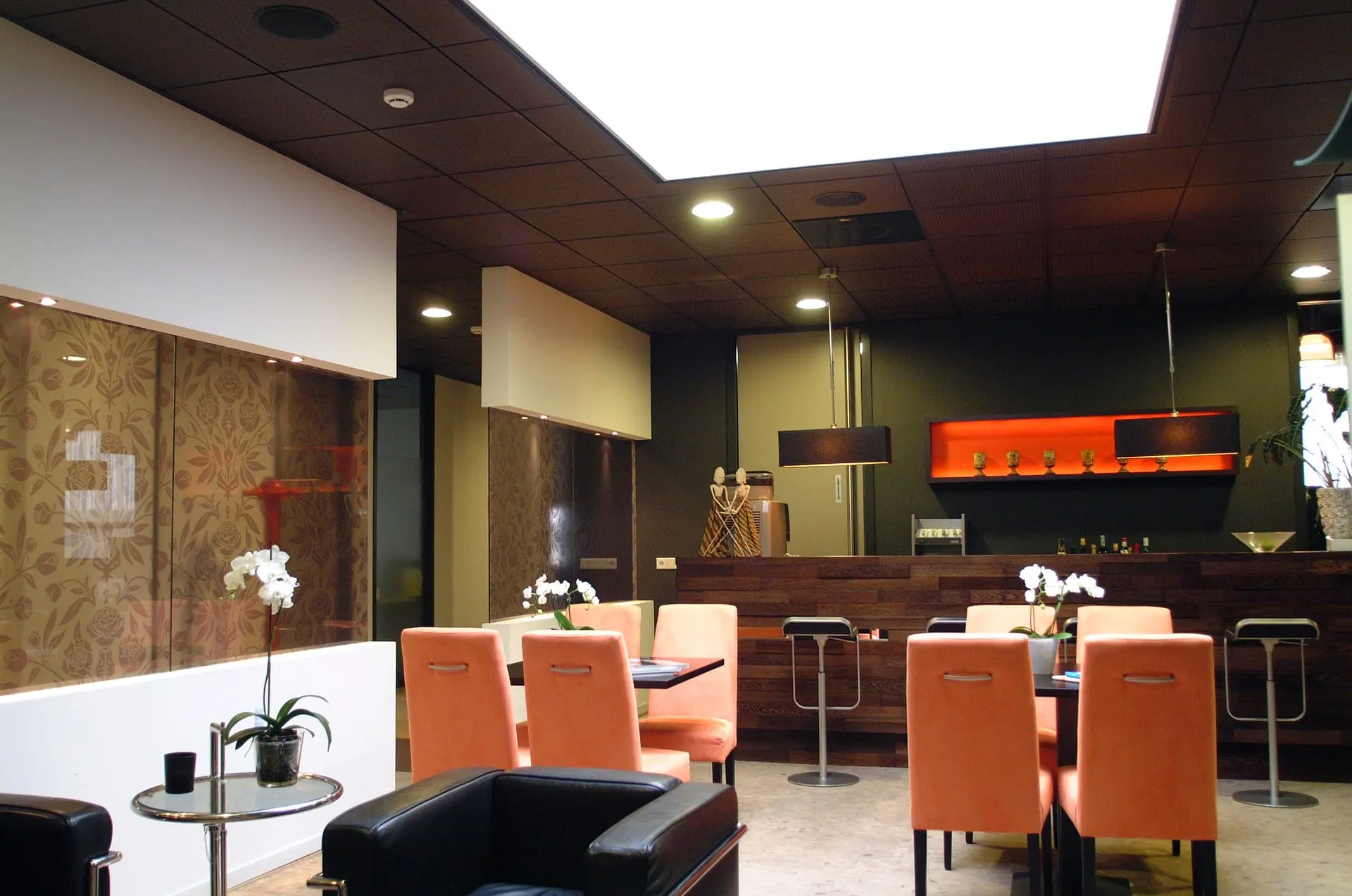 02Lounge with bar
 03Patient room
6,005 reviews of the CGCE Group on ProvenExpert
9.3 / 1036 reviews on ZorgkaartNederland
Had a breast reduction in October 2024. I can only look back on it with praise. What a great surgeon, Dr H. Hawinkel, with a great team around him in every respect. Thank you all for the beautiful result, the care and the aftercare! You're all stars!
Breast reduction · August 2025 · ZorgkaartNederland
Had my balloon refilled last week. And, like the first time when it was placed, a very nice, friendly welcome. No tension at all because they treat you so kindly and properly.
Claudia B. · August 2025 · ProvenExpert
Came to Dr. Boons with knee problems. Through the clinic's arrangement, the imaging could be scheduled within a day. Dr. Boons's explanation was very clear and he took all the time it needed. Very satisfied!
Knee ligament injury · June 2025 · ZorgkaartNederland
A dermatologist looks, assesses and treats straight away. Doctor Debije does this promptly and so fully meets my expectations!
May 2025 · ZorgkaartNederland
I was able to get in at Quole very quickly to have suspicious spots removed. I was helped in an expert and pleasant way. The assistant also thought along well to schedule the appointments so that they fitted in with my work.
Skin cancer · May 2025 · ZorgkaartNederland
Very satisfied with the medical secretaries as well as the doctor and all the care staff in between. Everyone took my difficult situation very seriously and acted quickly. I really felt heard. Doctor Hawinkel is a nice doctor. Thank you all!
Plastic surgery · April 2025 · ZorgkaartNederland
After going round the Netherlands, I ended up, through word of mouth, with dermatologist Dr. Debeij at Quole. In a word: a super dermatologist. I have never been helped so well anywhere else. I am very grateful.
February 2025 · ZorgkaartNederland
Got an appointment with the doctor extremely quickly with the help of supporting staff. Helped pleasantly and quickly
Meniscus injury · January 2025 · ZorgkaartNederland
Nice and homely, relaxed. I don't feel like a number but really like a patient. Helped quickly and smoothly! No long waiting times like in hospitals
Meniscus injury · January 2025 · ZorgkaartNederland
Very satisfied! A good and competent clinic.
Knee ligament injury · October 2024 · ZorgkaartNederland
Good information beforehand and during. Short waiting time, coordination. Professional, expert and friendly delivery of care. Careful and personal aftercare.
September 2024 · ZorgkaartNederland
I was helped very well
Knee ligament injury · June 2024 · ZorgkaartNederland
I was helped very well, unfortunately had a lot of bad luck, had good contact every day. And the corrective operation is planned. Completely satisfied
Plastic surgery · May 2024 · ZorgkaartNederland
On 28 Sept 2023 I had my tummy tuck, Fleur de lis, done. Doctor Donders operated on me and how good this doctor is, an artist! Happy every day with my decision and the result. I was treated well from day 1, they listened to me and thought along with me. I was well informed about what would suit me best. Super lovely staff and the doctor. Everyone is lovely, friendly and helpful. Once again, thank you all for the good care. Would do it the same way again without a doubt. This clinic and doctor are highly recommended.
May 2024 · ZorgkaartNederland
Finally I ended up with a dermatologist who told me very well and explained what caused my problem. Fortunately, this dermatologist did help me well.
May 2024 · ZorgkaartNederland
From my first appointment I have been very, very satisfied, with friendly people, professional too. I'm glad I chose QUOLE Medisch Centrum Waalre, thank you
May 2024 · ZorgkaartNederland
Appointments were made easily, and they kept asking whether the doctor's explanation was clear. The care around the operating theatre was also very good. There was good aftercare in the recovery room. You are a person and not a number.
Knee ligament injury · April 2024 · ZorgkaartNederland
Very satisfied with the short waiting time and the friendliness.
Frozen shoulder · April 2024 · ZorgkaartNederland
The biggest plus of Medisch Centrum Waalre for me was the speed with which they were able to help me. I could only get a first appointment at a hospital after 6 weeks, but in Waalre I could come in after just 2 days, and I was even operated on here within those 6 weeks! Above all, save yourself time!
Knee ligament injury · March 2024 · ZorgkaartNederland
Very, very satisfied with the care I received. A personal approach, and at every moment they calmly take time for you.
February 2024 · ZorgkaartNederland
I went to Quole Medisch Centrum because of the dermatologist who has recently started working there. I used to go to this friendly and capable dermatologist before as well. As for Quole Medisch Centrum: a very beautiful building with presence, inside and out. Good service, friendly and no long waiting times. If you don't want to wait long, this medical centre is very good, with very capable doctors and staff working there. Recommended by a very satisfied patient.
Skin conditions · February 2024 · ZorgkaartNederland
I am very satisfied with dermatologist Debeij. A very skilled dermatologist who has always helped me really well. I was already going to this dermatologist when she still had her own clinic, because of less good experiences with other dermatologists. I have to drive a lot of km to get to Dr. Debeij, but it's worth it to me.
February 2024 · ZorgkaartNederland
Quole is a really nice medical centre. You are helped quickly and well looked after. The employees are all very kind!
Knee ligament injury · November 2023 · ZorgkaartNederland
Expert approach and solution to my problem. Super friendly and caring team of healthcare professionals.
Inguinal hernia · November 2023 · ZorgkaartNederland
All the staff around my hallux valgus operation radiate calm and friendliness. There is a relaxed and informal atmosphere in the clinic. You are understood and seen.
August 2023 · ZorgkaartNederland
Very fast, appropriate help and appointments that followed on well from one another. Top-notch organisation
Osteoarthritis · June 2023 · ZorgkaartNederland
Received clear information about the necessary treatment and the effect to be expected from it
May 2023 · ZorgkaartNederland
I was treated very well. They explained clearly what I could expect beforehand and also what to expect after the operation in terms of recovery.
Knee ligament injury · April 2023 · ZorgkaartNederland
As described in Quole's communication, you are treated as a guest. And that is true. The consultations, the operation itself and the aftercare were not only extremely professional but also very personal, friendly and unhurried. People with an eye and a genuinely listening ear both for your physical wishes/changes in appearance and for your state of mind (tension, fear, calm, self-confidence). Thanks to Dr. Donders for the clear advice, the plan and above all the beautiful result!
Breast augmentation · April 2023 · ZorgkaartNederland
The clinic's personal approach is very pleasant. You are treated not as a number but as a guest.
Knee ligament injury · March 2023 · ZorgkaartNederland
What a lovely clinic with friendly, professional care. There is a pleasant, caring atmosphere and Dr Hawinkels is a likeable, skilled plastic surgeon.
March 2023 · ZorgkaartNederland
They take me seriously
December 2022 · ZorgkaartNederland
The whole process went very well. Both beforehand during the intake consultation, and on the day of the operation and at the final consultation. The day after the operation, a member of staff kindly called me to ask whether everything had gone well and how I was doing. A small-scale, committed and very expert team. Compliments
November 2022 · ZorgkaartNederland
All reviews on ZorgkaartNederland
Read allReviews by patients in Waalre on ZorgkaartNederland and ProvenExpert, from 8 out of 10 or 4 out of 5 stars, newest first.
In the first conversation we listen, examine and explain what is possible and what is not. Afterwards you decide in your own time.
Diese Seite gibt es auch auf Deutsch.
Auf Deutsch lesenThis page is also available in English.
Read in EnglishDeze pagina is ook in het Nederlands beschikbaar.
In het Nederlands lezenPrivacy policy (Dutch)Cookies (Dutch)